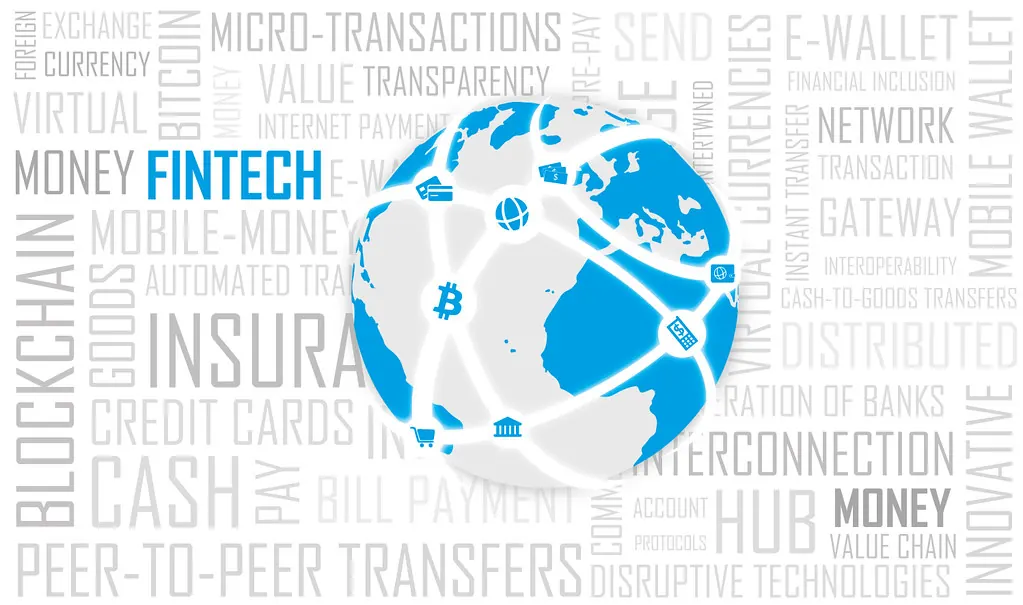
A blockchain is a decentralized digital ledger that records information in a secure, transparent, and tamper-proof manner. It stores data in blocks that are linked together in chronological order to form a chain. Once data is added, it is very difficult to alter without the agreement of the network, which makes blockchain highly reliable for recording transactions and other information.
1. Strong Technical Expertise:
- Proficiency in multiple blockchain platforms (Ethereum, Hyperledger, Solana, Polygon, Binance Smart Chain, etc.).
- Experience with smart contract development, consensus algorithms, and token standards (ERC-20, ERC-721, ERC-1155).
- Capability in Layer 1 & Layer 2 solutions, cross-chain interoperability, and scalability improvements.
2. Custom End-to-End Solutions:
- Ability to design, develop, and deploy tailored blockchain solutions based on business needs.
- Services like DApps, DeFi platforms, NFT marketplaces, DAOs, supply chain solutions, and enterprise blockchain integrations.
3. Security-First Approach:
- Robust smart contract auditing and vulnerability testing.
- Implementation of best practices for data privacy, consensus security, and transaction safety.
4. Proven Track Record & Portfolio:
- Successful deployment of live blockchain projects.
- Case studies, testimonials, or partnerships with reputable enterprises and startups.
5. Innovation & R&D Capability:
- Active involvement in emerging trends like Web3, Metaverse, CBDCs, and tokenization.
- Contribution to open-source blockchain projects and communities.
6. Scalability & Performance:
- Solutions optimized for high transaction throughput and low gas fees.
- Knowledge of Layer 2 scaling (Rollups, Plasma, State Channels) and sharding.
7. UI/UX & Integration Capabilities:
- Seamless user experiences for DApps and wallets.
- Integration with APIs, cloud platforms, and enterprise systems like ERP, CRM, or IoT.
8. Compliance & Regulatory Knowledge:
- Understanding of global blockchain regulations (KYC/AML, GDPR, financial compliance).
- Ability to build legally compliant blockchain solutions.
9. Agile Development & Support:
- Transparent development process with regular updates and testing.
- Post-deployment support, maintenance, and upgrade services.
10. Strong Team & Talent Pool:
- Certified blockchain developers, security auditors, and solution architects.
- Multidisciplinary team covering business, tech, and legal aspects.
In Business Software India, we always follow these guidelines to deliver the best blockchain products for our clients. We develop blockchain solutions across the industries, for supply-chain and logistics, retail, health, education, and finance sectors.
Frequently asked questions
Can I use blockchain for my company or business?
Yes — blockchain isn't limited to finance or crypto. It's used across supply chain and logistics (tracking provenance and custody), retail (loyalty programmes, counterfeit prevention), healthcare (secure records), education (verifiable credentials), and finance (settlement, compliance). The real question isn't whether your industry can use it, but whether you have a specific problem — such as needing a shared, tamper-proof record between parties who don't fully trust each other, or removing a slow manual reconciliation step — that blockchain actually solves better than a normal database would. Not every business need requires blockchain; it's worth scoping the actual use case first.
Is blockchain a synonym for Bitcoin?
No. Bitcoin is one application built on blockchain technology — specifically, a cryptocurrency. Blockchain itself is the underlying technology: a decentralised, tamper-proof digital ledger that can record any kind of data, not just currency transactions. The same technology underpins smart contracts, NFT marketplaces, supply-chain tracking, DeFi platforms, and enterprise systems that have nothing to do with cryptocurrency at all. Bitcoin popularised blockchain, but it's one use case among many — similar to how "email" isn't a synonym for "the internet," even though email was one of the internet's earliest popular uses.
How can I identify the best blockchain companies?
Look for a track record across a few concrete things: proven technical depth across multiple platforms (Ethereum, Hyperledger, Solana, Polygon and similar) and smart contract standards, a security-first approach including independent smart contract audits, a real portfolio of live deployed projects rather than just case-study claims, and clear regulatory/compliance knowledge (KYC/AML, GDPR) for the industries you operate in. Beyond the technical checklist, ask how they handle post-deployment support and maintenance — a lot of blockchain projects succeed at launch and then get abandoned without ongoing upgrades, which is often where the real risk shows up.